 how-to
Fixing Burst Pipes in Older Homes: What to Do First
Last Updated: November 6, 2026
Quick Summary
Fixing burst pipes in older homes starts with three moves in this order: shut off the main water valve, cut power to wet areas at the breaker, and move furniture, rugs, and electronics away from the water. Then call a licensed plumber. Acting fast in the first hour limits how much of your home you lose.
- Open the lowest faucet in the house after shutting off water to drain lines and relieve residual pressure.
- Galvanized steel pipes in pre-1960s homes are often too brittle for clamps and are better cut and replaced.
- A pipe repair clamp is a temporary fix that only works when the pipe wall underneath is sound.
- Ask any plumber to price both a repair and a repipe so you can compare the options.
- Photograph the leak and wet materials before cleanup begins if the damage may go to insurance.
Table of Contents
- What to Do When a Pipe Bursts in an Older Home
- Shutting Off Water and Power Safely
- Finding the Leak and Assessing Older Pipe Materials
- Using a Pipe Repair Clamp for a Temporary Fix
- How to Fix a Broken PVC Water Pipe Outside
- Fixing Burst Pipes in Older Homes Cost: What Drives the Bill
- Preventing Future Leaks and Hidden Damage Checks
- When to Call Authentic Plumbing Services for a Burst Pipe
- Frequently Asked Questions
What to Do When a Pipe Bursts in an Older Home
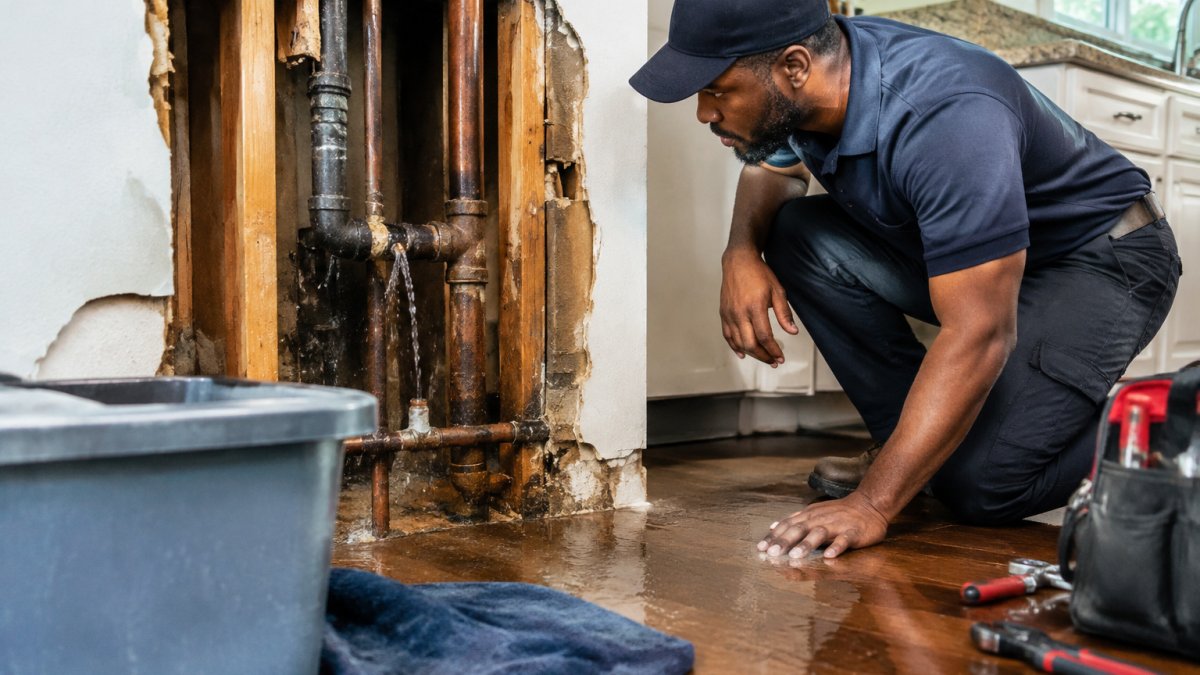
A burst pipe is an emergency measured in minutes. The first hour decides whether you lose a section of drywall or an entire floor.
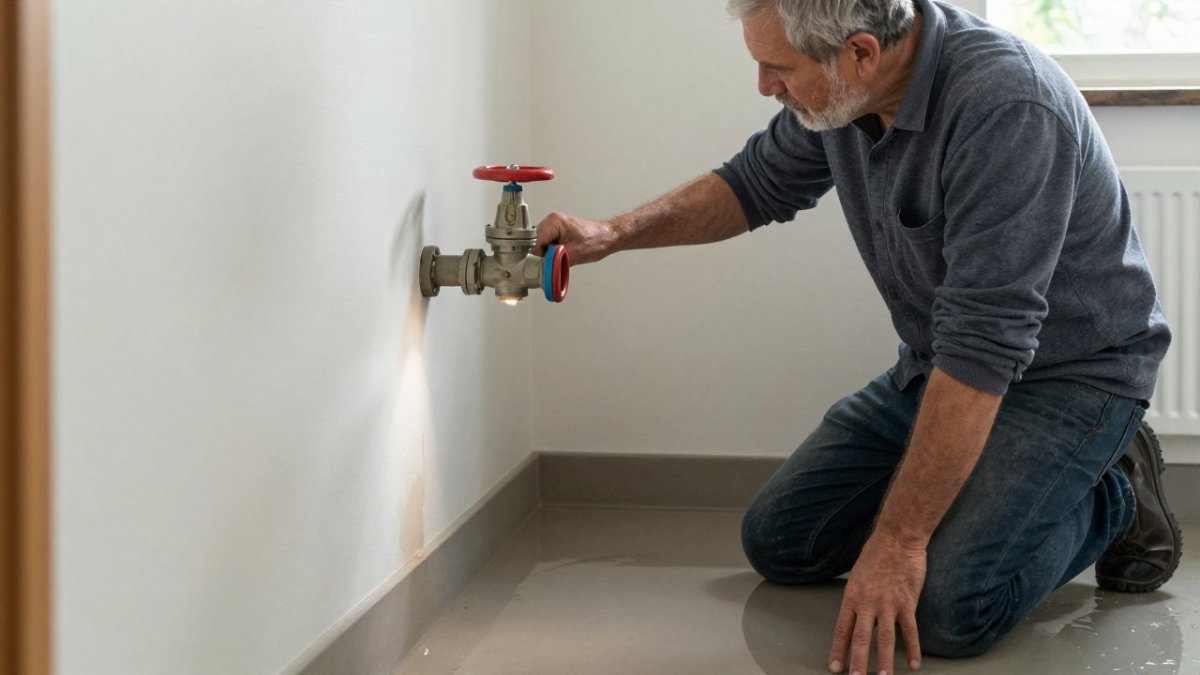
The pattern in these emergencies is consistent: the homeowners who act fast tend to limit the damage the most.
Here is what most guides miss. The age of your home changes the playbook. A 1950s house with galvanized steel lines behaves nothing like a 1990s build with copper or PVC.
Do these first, before anything else:
- Shut off the main water valve
- Cut power to wet areas at the breaker
- Move furniture, rugs, and electronics away from water
Shutting Off Water and Power Safely
Find the main water shutoff first. In most older homes it sits near the water meter, in a basement, or in a utility closet.
Water and electricity are a dangerous pair. Standing water near outlets, appliances, or a breaker panel creates a real shock risk.
Once the water is off, open the lowest faucet in the house. This drains the lines and relieves residual pressure so the leak slows to a drip.
Finding the Leak and Assessing Older Pipe Materials
You need to know what your pipes are made of before you touch anything. The material tells you whether a clamp will hold or whether you are looking at a section replacement.
- Galvanized steel: common in pre-1960s homes. Prone to internal rust and pinhole leaks. Often too brittle for clamps.
- Copper: durable but can develop pinhole leaks from corrosion. Clamps and push-fit fittings work well here.
- Cast iron: found in drain lines of older homes. Cracks and joint failures are common. This needs a real repair plan, not tape.
A pinhole leak on copper is a candidate for a temporary clamp. Our team offers leak detection in Miami, FL to find hidden leaks without tearing open walls or slabs. For cast iron lines specifically, this guide on repairing cast iron pipes in homes walks through how to assess and repair them.
Knowing what your pipes are made of tells you whether a clamp will hold or whether you are looking at a section replacement.
| Pipe material | Where it is found | What to expect |
|---|---|---|
| Galvanized steel | Common in pre-1960s homes | Internal rust and pinhole leaks; often too brittle for clamps |
| Copper | Durable lines in many homes | Pinhole leaks from corrosion; clamps and push-fit fittings work well |
| Cast iron | Drain lines of older homes | Cracks and joint failures common; needs a real repair plan |
| Polybutylene and PVC | Plastic lines | Can crack at fittings under pressure |
Using a Pipe Repair Clamp for a Temporary Fix
A pipe repair clamp is a metal sleeve with a rubber gasket that wraps the damaged section and seals it under pressure.
Here is the sequence:
- Shut off the water and drain the line.
- Dry the pipe surface completely.
- Clean the area with emery cloth so the clamp grips.
- Center the clamp over the leak.
- Tighten the bolts evenly, alternating sides.
- Restore water slowly and check for seeping.
For a quick seal on a pinhole, epoxy putty can work as a stopgap.
Watch out: a clamp on a corroded galvanized pipe often fails within days because the metal underneath crushes. If the pipe is soft or flaking, skip the clamp and call a pro.
Why Older Homes Change the Clamp Decision
A clamp seals by compressing a rubber gasket against sound pipe wall. That only works if the wall is sound. In older homes, the pipe you can see is rarely the whole story:
- Galvanized steel: internal rust thins the wall from the inside out. A clamp that feels tight on the outside may be crushing a paper-thin shell. Galvanized lines that are decades old are often clamp-hostile and are generally better cut and replaced.
- Copper with pinholes: a single pinhole on otherwise clean copper is the best-case clamp candidate. But pinholes often cluster where water velocity and chemistry have eaten the wall, so inspect a foot or two in each direction before you trust one clamp.
- Prior repairs: older homes are full of previous patches, solder blobs, hose clamps, tape, even epoxy from a past owner. A new clamp over an old patch rarely seals, and the old patch may hide a crack that runs past the new sleeve.
Clamp vs. Cut-and-Replace: A Quick Test
Before you buy a clamp, answer three questions:
- Is the pipe wall firm when you press it with a screwdriver handle? If it dents or flakes, stop.
- Is the leak a single pinhole or clean crack, or is the area pitted and weeping in several spots? Multiple wet spots mean the section is failing, not just leaking.
- Is the damaged section between two accessible fittings? If so, cutting out the bad length and installing a push-fit coupling or a soldered/glued section is often faster and more reliable than a clamp that may fail in a week.
A clamp is the right call when you need water back on tonight, the pipe wall is sound, and a plumber is already scheduled. It is the wrong call when the pipe is brittle, the leak is at a joint, or the same line has leaked before. If you are unsure what you are looking at, stop and get it assessed.
How to Fix a Broken PVC Water Pipe Outside
Outdoor PVC fails differently. Sun exposure makes it brittle, and freeze-thaw cycles in cold weather can split it. A broken PVC water pipe outside is usually a clean break you can see.
The fix follows the same logic as indoor work:
- Shut off the water at the main or the outdoor shutoff valve.
- Drain the line and let it dry.
- Cut out the damaged pipe section with a hacksaw or PVC cutter.
Cold weather makes PVC more brittle, so winterize exposed lines and add pipe insulation where you can. If your outdoor line ties into a well or sprinkler system, well and sprinkler pump repair covers the pump and pressure-tank side of the job.
Fixing Burst Pipes in Older Homes Cost: What Drives the Bill
There is no single number for fixing burst pipes in older homes cost, and anyone who quotes one before seeing the job is guessing. What you pay depends on a few clear factors.
- Leak location: an exposed pipe is cheap to reach; a slab or wall leak is not.
- Pipe material: cast iron and galvanized repairs take more labor than copper or PVC.
- Access: opening a wall or floor adds time and repair work.
A useful step is to ask for a clear explanation of what is being fixed and why before work starts. You can read a fuller breakdown of how to estimate burst pipe repair cost to know what to expect.
The Older-Home Cost Factors Most Quotes Miss
In an older house, the visible leak is often the cheapest part of the bill. Three cost drivers separate an older-home repair from a same-size job in newer construction:
1. The repair-versus-repipe threshold. A localized repair makes sense when the leak is isolated, the surrounding pipe wall is sound, and the material is still serviceable. Repiping becomes the better economics when you see recurring leaks on the same line, widespread corrosion (rust-colored water, frequent pinholes), or obsolete materials like polybutylene or failing galvanized steel. Repeated leaks on the same run can cost more in access and drywall repair than replacing that run once. Ask any plumber to price both a repair and a repipe so you can compare the options.
2. Prior renovations and hidden runs. Older homes have had bathrooms moved, additions tied in, and lines rerouted, often without drawings.
3. Permits and inspection. Many jurisdictions require a permit for replacing pipe sections, repiping, or work inside walls, and the permit and inspection add cost and time. Requirements vary by municipality, so ask the plumber who pulls the permit and whether the quote includes it.
What to Document Before and After the Repair
If the damage may go to insurance, document before cleanup begins:
- Photograph the leak, the wet materials, and any damaged belongings before moving them.
- Keep the plumber's written diagnosis and invoice, including the cause (for example, corrosion failure versus a frozen split).
- Save receipts for emergency mitigation, fans, dehumidifier rental, water extraction.
Policies often distinguish sudden, accidental damage from damage caused by long-term neglect or leakage, and the documentation above can help support a sudden-damage characterization. Review your policy language or ask your adjuster before assuming a corroded-pipe failure is covered.
Lead and Legacy Materials: A Cost You Should Not Skip
Homes built before the late 1980s may have lead solder on copper joints or lead service lines. Disturbing those lines during a repair can release lead into the water.
Budget for the repair, the access and finish work, the permit, and a post-repair check. A quote that covers only the pipe is not the full cost of fixing a burst pipe in an older home.
Preventing Future Leaks and Hidden Damage Checks
Older plumbing rewards attention. A few habits cut the odds of the next burst:
- Insulate pipes in cold spots and crawl spaces.
- Keep water pressure in a normal range; high pressure stresses old joints.
- Fix pinhole leaks early before they split.
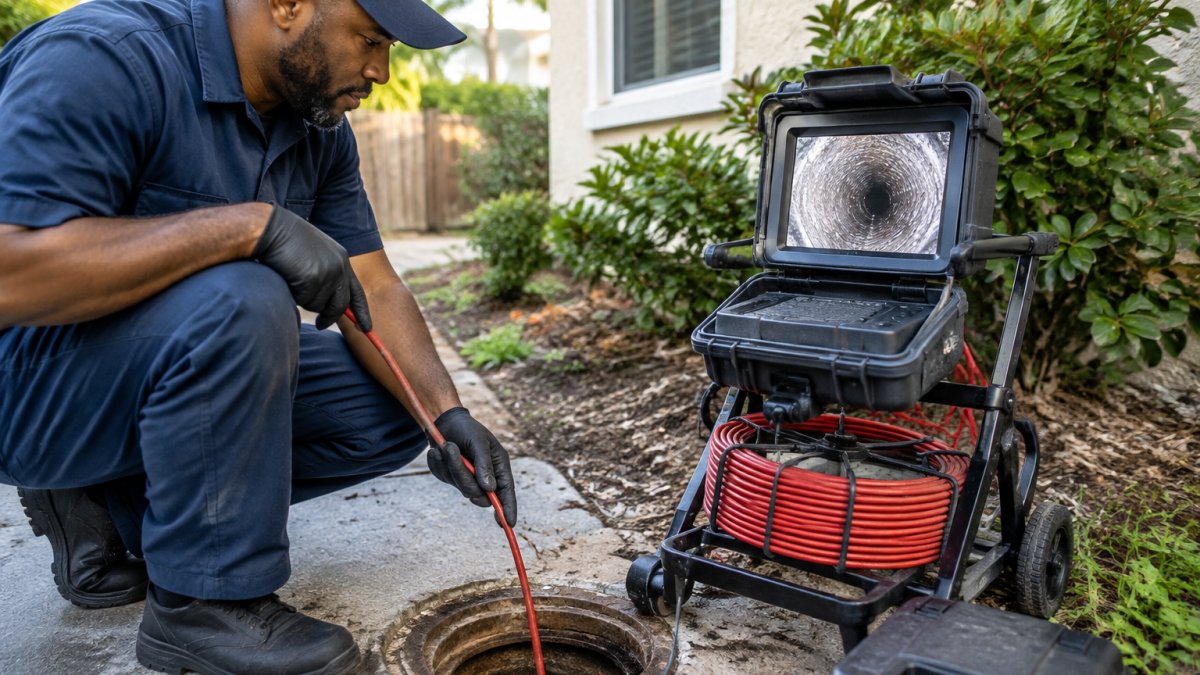
After any repair, check for hidden damage. Look for soft drywall, musty smells, and warped flooring. These point to water that soaked in behind the patch. A camera inspection confirms the line is clear and sound before you close everything up.
When to Call Authentic Plumbing Services for a Burst Pipe
Call a licensed plumber when the leak is hidden, the pipe is cast iron or badly corroded, or the water will not stop. Those are not DIY jobs, and a bad patch can flood the same room twice.
Authentic Plumbing Services is open 24 hours, 7 days a week, so an emergency at 2 AM can be addressed day or night. We use camera inspection to identify the cause before any digging, so the work is based on what the inspection shows. We work on homes, condos, and businesses, and we explain the problem in plain terms before we start.
Rated 5.0 on Google by 82 customers, we are a Black-owned business led by Rohan Taylor. Contact us any hour to get a quote and a clear next step.
Frequently Asked Questions
Are burst pipes expensive to fix?
Cost depends on the pipe material, how much water damage occurred, and whether the repair is a simple clamp or a full section replacement. Older homes with galvanized or cast iron lines often need more labor because the surrounding metal is corroded and access is tight. A licensed plumber can give you a clear quote after inspecting the leak location. A camera inspection can help identify the real cause before a quote is given.
Does homeowners insurance cover burst pipes in a house?
Most standard homeowners policies cover sudden water damage from a burst pipe, including drying and structural repairs, but they usually exclude the pipe repair itself and any damage from long-term neglect. Document the damage with photos before cleanup, keep receipts, and call your insurer promptly. If the burst came from a frozen pipe in an unheated space, coverage rules can differ, so read your policy or ask your agent before assuming the repair is covered.
Can I fix a burst pipe myself?
You can handle a temporary fix with a pipe repair clamp or epoxy putty to stop the leak, but permanent repairs on older plumbing are best left to a licensed plumber. Copper, galvanized, and cast iron lines often crack further when cut or tightened, and a bad joint can flood the wall again. Use a clamp only as a short-term measure, then have the section inspected and replaced properly.
How long can pipes burst if water is shut off?
Once you shut off the main water supply, the active flooding stops within minutes, but residual pressure in the lines can still push water out for a short time. Open the lowest faucet in the house to drain the lines and relieve that pressure. Standing water and soaked drywall still need fast attention within 24 to 48 hours to prevent mold. If the leak is hidden behind a wall, watch for bubbling paint or a sudden drop in water pressure.
A burst pipe in an older home is stressful, but the right first moves limit the damage. If you are facing one now, do not wait for it to get worse. Get started with Authentic Plumbing Services and get a real fix, day or night.