 how-to
7 Condo Plumbing Repair Miami Dade Steps That Save You
Last Updated: November 1, 2026
Quick Summary
Condo plumbing repair in Miami Dade starts by shutting off the water at the unit valve, cutting power to wet areas, containing the spread, photographing the damage, then calling a 24/7 plumber and your building manager. Unit owners usually pay for what serves only their unit, while the association covers shared systems like stacked risers.
- Never pour chemical drain cleaner into a backed-up condo line, since the clog is often below your floor.
- A camera inspection shows the actual defect before any wall or slab is opened.
- Give affected units at least a day's notice before a planned riser shutdown.
- Verify state license, Miami-Dade permits, and insurance before any work starts.
- Ask for a written scope that separates the repair from the restoration.
Table of Contents
- What to Do First in a Condo Plumbing Emergency
- Plumbing Responsibilities in a Condo: Who Pays for What
- How Condo Plumbing Repair Works in Stacked-Riser Buildings
- Why a Sewer Camera Inspection for Condos Beats Digging Blind
- Licensed Contractors, Miami-Dade Permits, and Code Checks
- What Drives Condo Plumbing Repair Costs
- Commercial Plumbing Maintenance Contracts for Property Managers
- Requesting Service From a 24/7 Condo Plumbing Team
- Frequently Asked Questions
What to Do First in a Condo Plumbing Emergency
Water is spreading across your kitchen floor at 2 a.m., and the first ten minutes decide whether you lose a cabinet or a whole unit. Condo plumbing repair Miami Dade residents call for starts with one move: shut off the water, then call for help.
Here is the order that matters when a pipe bursts or a drain backs up:
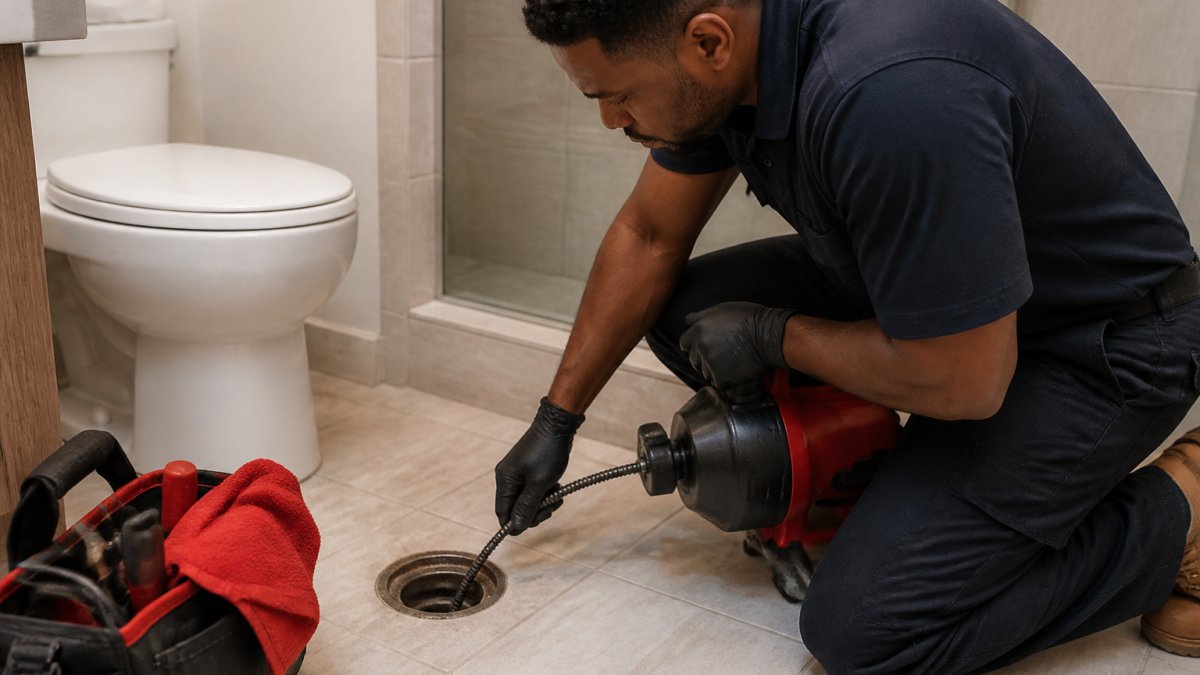
- Kill the water at the unit valve. Find the shutoff under the kitchen sink, behind the toilet, or in the utility closet. Turn it clockwise until it stops.
- Cut the power to wet areas. If water is near outlets or under appliances, flip the breaker for that room.
- Contain the spread. Towels, buckets, and a wet/dry vacuum buy you time and reduce damage to neighboring units below.
- Document everything. Photograph the source, the water line on walls, and damaged belongings before cleanup begins.
- Call a 24/7 plumber and your building manager. Both need to know, and both need a paper trail.
Watch out: never pour chemical drain cleaner into a backed-up condo line. In a stacked building, the clog is often below your floor, and caustic chemicals can sit against shared pipe joints and damage them before anyone opens the line.
If you cannot find the valve or a hidden leak is feeding the mess, Leak detection can find the source before anyone opens a wall.
When a pipe bursts or a drain backs up, work through these steps in order.
| Step | What to do |
|---|---|
| 1 | Kill the water at the unit valve |
| 2 | Cut the power to wet areas |
| 3 | Contain the spread with towels, buckets, wet/dry vacuum |
| 4 | Document everything with photographs before cleanup |
| 5 | Call a 24/7 plumber and your building manager |
Plumbing Responsibilities in a Condo: Who Pays for What
The short answer: unit owners usually pay for what serves only their unit, and the association pays for shared systems. The dividing line is the pipe, not the damage.
Start with the governing documents, not the damage. Your declaration, bylaws, and any maintenance responsibility matrix are the controlling authority.
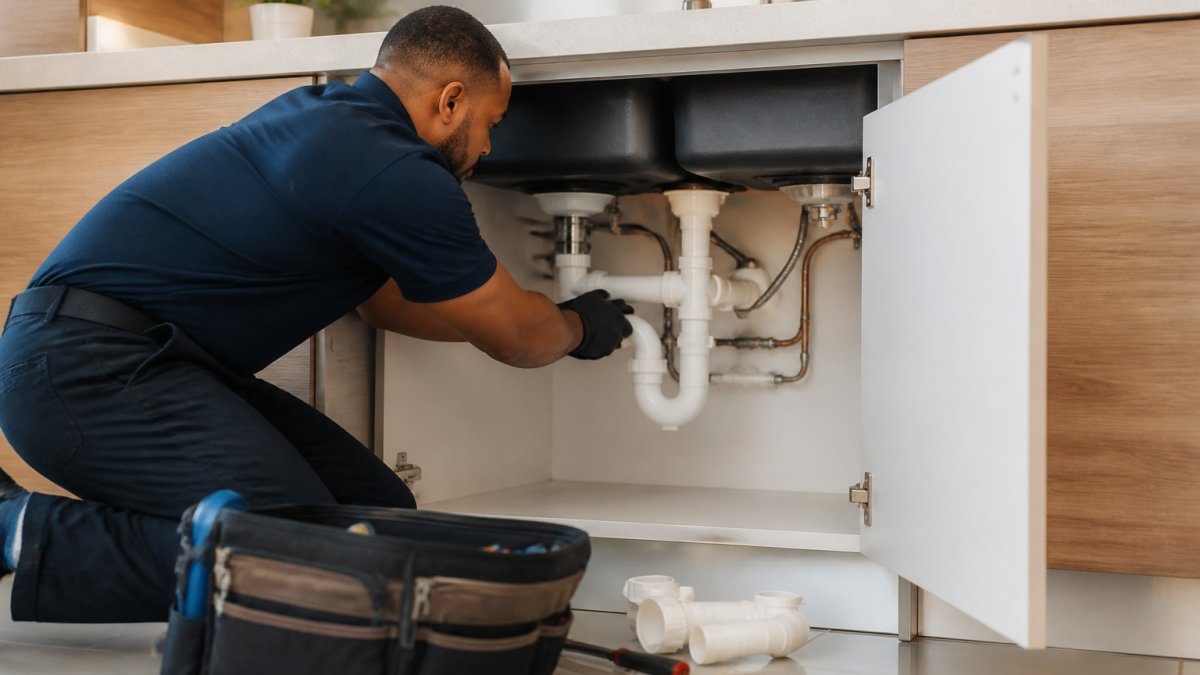
Then locate the fault. A common pattern is that the association owns and maintains stacked risers, main drain lines, shared supply mains, and the roof, while owners handle fixtures, the branch lines inside their walls, water heaters inside the unit, and stoppages that serve only their home.
Then check which policy responds. A leak from a shared riser can damage three units at once. The association's master policy and the owner's HO-6 policy usually split the claim, and the split often follows the same responsibility line. Document the source, the water line on walls, and damaged belongings before cleanup begins, and send copies to both the association and your insurer.
When the cause is unclear, a camera inspection settles the argument by showing exactly where the failure sits. That evidence is usually what moves a stalled responsibility conversation forward.
How Condo Plumbing Repair Works in Stacked-Riser Buildings
Repairs in high-density buildings follow a different playbook than a single-family house. One shutoff can affect a dozen units, and one wrong cut can flood the floors below. That is why we treat every condo call as a shared-system job first.
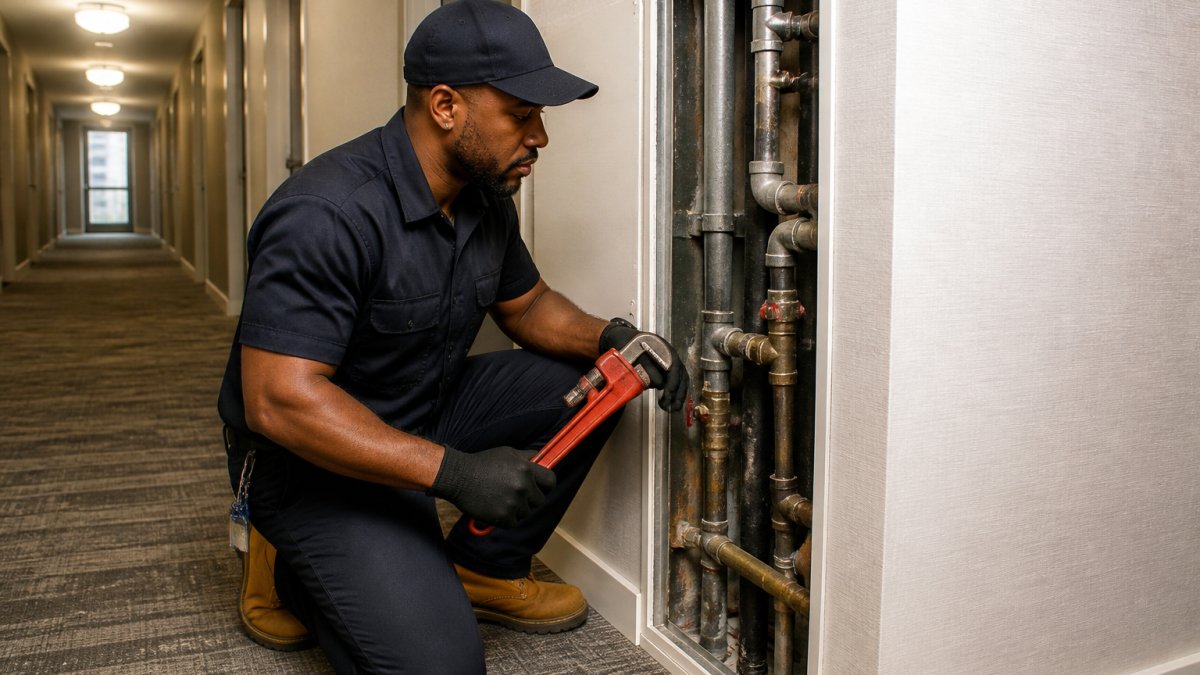
The workflow usually runs like this:
- Isolate the affected riser and notify every unit on the stack
- Inspect with a camera before opening any wall or slab
- Repair or replace only the failed section
- Pressure-test, restore water, and confirm flow at each fixture
- Document the work for the association's records
A common mistake is cutting into a ceiling to chase a leak without confirming the source. In a stacked building, water travels along pipes and slab edges, so the wet spot is rarely above the break.
Coordinating Building Access With Management
Access is where condo jobs stall. Management needs notice, insurance certificates, and a work window, and residents need time to move cars or clear closets. A practical sequence that keeps the job moving:
- Notify management in writing. Send the scope, the expected work window, and the license and insurance certificates before the crew arrives. Ask for the building's vendor rules (elevator padding, loading dock hours, parking).
- Confirm the riser shutdown. Where possible, give affected units at least a day's notice and post notices at the elevator and in common areas. For emergency work, call the front desk and ask them to notify the stack.
- Arrange access to neighboring units. A riser repair may require entry to the unit above or below. Management usually holds the keys or the contact list; ask them to schedule access rather than knocking door to door.
- Protect the path. Use floor protection in hallways and elevators, and photograph the condition of common areas before and after the work.
- Document before, during, and after. Photograph the source, the opened wall or slab, the failed section, and the restored area. Send a written summary to management so the association's records match the work performed.
Emergency work moves faster, but even then, a call to the front desk keeps the job from being stopped at the door. The buildings that handle repairs best are the ones where management and the plumbing team already have a written access routine in place.
Why a Sewer Camera Inspection for Condos Beats Digging Blind
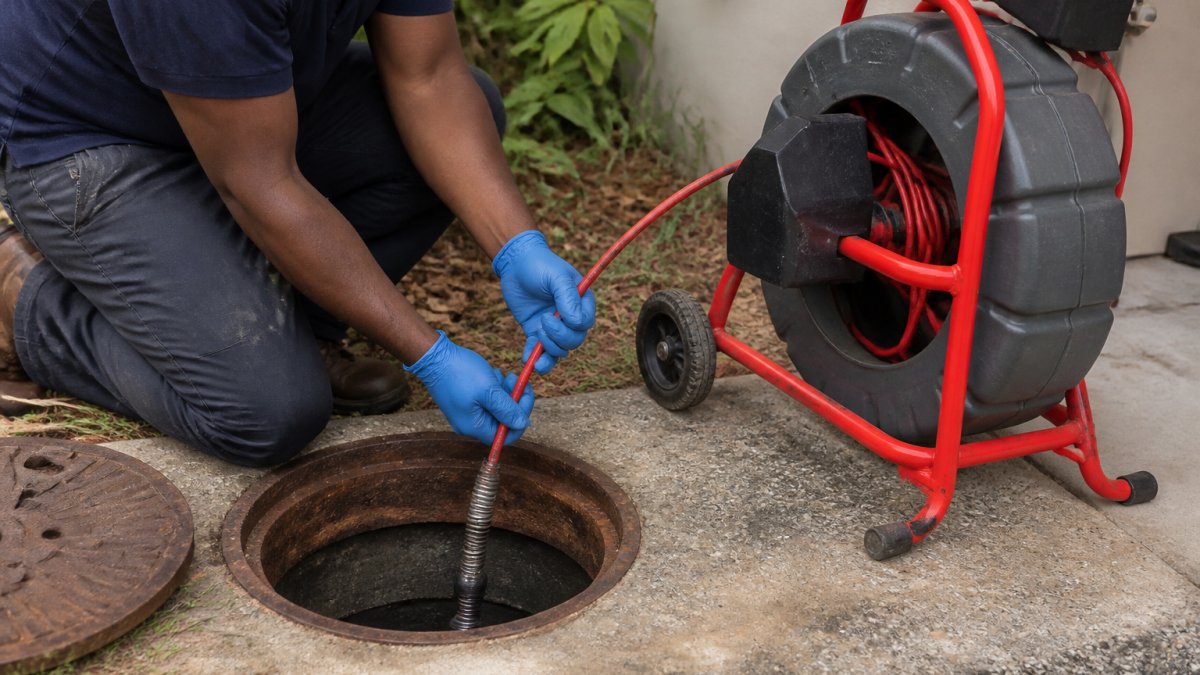
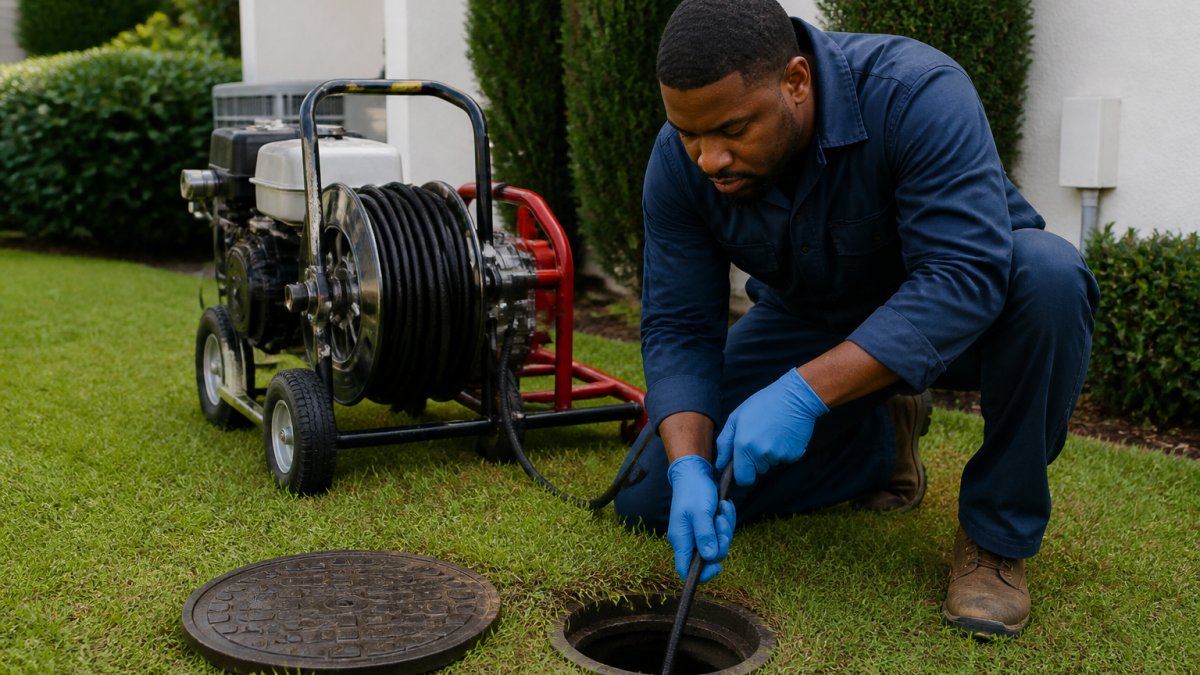
A sewer camera inspection for condos is the practice of running a camera through the line to see the actual defect before any demolition starts. It answers the question every owner asks: is this a clog, a broken pipe, or a collapsed section under the slab?
Digging first is expensive guesswork. In a condo, it can also mean opening a finished ceiling in a neighbor's unit to find nothing. A camera can show the pipe material, the location of a break, and whether roots or grease caused a blockage.
If your building has a chronic drain issue, a camera inspection lets you look inside before anyone digs.
Licensed Contractors, Miami-Dade Permits, and Code Checks
Hiring the wrong crew in a condo costs more than the repair. Unpermitted work can fail an inspection, void insurance coverage, and leave the association holding a code violation. Always verify three things before work starts:
- State license: confirm the plumber holds a valid license through the state's official database
- Permits: plumbing work beyond simple fixture swaps generally requires a permit through Miami-Dade County's building department, and the permit holder is responsible for inspections
- Insurance: ask for a certificate of general liability and workers' compensation coverage, and send it to management
The Florida Department of Business and Professional Regulation maintains the license lookup the state uses, and Miami-Dade County's building department publishes permit and inspection requirements. A legitimate contractor will hand over all three without being asked twice.
What Drives Condo Plumbing Repair Costs
Pricing depends on access, not just the pipe, and two leaks in different locations can require very different work.
The main cost factors:
- Location: an exposed line in a utility closet versus one buried under tile
- Access: ceiling or wall openings, elevator use, and after-hours work in occupied buildings
- Pipe material and age: older galvanized or cast iron lines often need section replacement, not a patch
- Scope: a single fixture repair versus a riser section serving multiple units
- Restoration: patching drywall and tile after the plumbing is done
Ask for a written scope that separates the repair from the restoration, and confirm who pays: owner, association, or insurance.
Commercial Plumbing Maintenance Contracts for Property Managers
A maintenance contract is a scheduled service agreement that covers inspections, drain cleaning, and priority response across a building or portfolio. For property managers, it turns emergencies into planned work.
What a solid contract should include:
- Scheduled camera inspections of main lines and risers
- Preventive drain cleaning on high-use stacks
- Backflow prevention testing where required
- Priority after-hours response with defined timeframes
- Multi-property coverage with one point of contact
- Written reports for each visit
Pricing depends on the scope of work, so request a quote for your property. You can also read about commercial plumbing maintenance contract pricing first.
Requesting Service From a 24/7 Condo Plumbing Team
The best time to choose a plumber is before you need one. Save the number, confirm the license, and check that the team works in condo buildings with management coordination built in.
Authentic Plumbing Services is a Black-owned, Miami-based company led by Rohan Taylor, open 24 hours and 7 days a week. We use camera inspection to identify the real cause before digging. Our customers have rated us 5.0 on Google by 82 customers.
When you are ready to move, Call (305) 834-1588 or request a quote. We serve homes, condos, and businesses, and we work with property managers.
Frequently Asked Questions
Who is responsible for plumbing repairs in a condo?
It depends on where the problem sits. Fixtures and the pipes serving only your unit, such as a sink trap or toilet supply line, usually fall to the owner. Lines shared between units, including stacked risers and the main drain stack, typically fall to the association. Read your declaration and bylaws before you authorize any work, and ask the management office to confirm in writing. Getting that answer first prevents paying for a repair the association should cover.
How do you handle a condo plumbing emergency in a shared building?
Shut off the nearest valve first, then call management so they can protect other units. In a condo plumbing emergency, water travels down and sideways through shared walls, so a leak on an upper floor can damage several homes below within hours. Document everything with photos, keep receipts, and call a 24/7 licensed plumber who has worked in high-density buildings. Fast shutoff and fast documentation protect both your unit and your claim.
When should a condo call an emergency plumber instead of waiting?
Call immediately for burst pipes, sewage backing up into tubs or dishwashers, no water at all, gas smells, or water spreading into walls and ceilings. These are not problems that improve overnight. A licensed plumber can locate the source, isolate the line, and start drying before mold sets in. Waiting on a weekday appointment for an active leak usually costs more in property damage than the after-hours visit itself.
What should a condo board ask before hiring a plumbing contractor?
Ask for proof of state licensure and insurance, experience with stacked risers and shared shutoffs, and how they handle after-hours calls. Request a written scope before work starts, including whether camera inspection is used to confirm the cause. A commercial plumbing maintenance contract should spell out response times, inspection frequency, and who coordinates access with residents. Boards that ask these questions avoid repeat repairs and surprise invoices.
Condo plumbing problems rarely stay inside one unit, and the difference between a small repair and a building-wide claim is how fast someone who knows stacked systems gets there. Authentic Plumbing Services offers 24/7 emergency response, camera inspection to find the real cause before anyone digs, and clear explanations of every repair. Get started with Authentic Plumbing Services and get a quote for your building today.