 how-to
Is Sewer Camera Inspection Worth It for Your Home?
Last Updated: October 30, 2026
Quick Summary
A sewer camera inspection is worth it when the cost of being surprised is high and the odds of a hidden defect are real. For an older home, a purchase, or a line with any history, the fee is cheap insurance. For a newer home with no symptoms and a recent scope, it is reasonable to wait.
- A camera shows cracks, root intrusion, corrosion, and hidden damage a standard home inspection misses.
- Two or more yes answers on our property checklist make the inspection a strong buy.
- Skip the scope if the line is completely blocked; clear it first, then inspect.
- Scope during the inspection contingency period, before you are committed to the purchase.
- Ask for a written quote that includes the video file and a distance-marked report.
Table of Contents
- What a Sewer Camera Inspection Reveals That a Standard Home Inspection Misses
- What Does a Sewer Scope Inspection Consist Of?
- How Long Does a Sewer Camera Inspection Take?
- Sewer Camera Inspection Cost and What Drives the Price
- Sewer Line Inspection Before Buying a House: The Case for Due Diligence
- When a Sewer Camera Inspection Is Not Worth It
- What Happens After the Inspection Finds a Problem
- Book a Sewer Camera Inspection With Authentic Plumbing Services
- Frequently Asked Questions
What a Sewer Camera Inspection Reveals That a Standard Home Inspection Misses
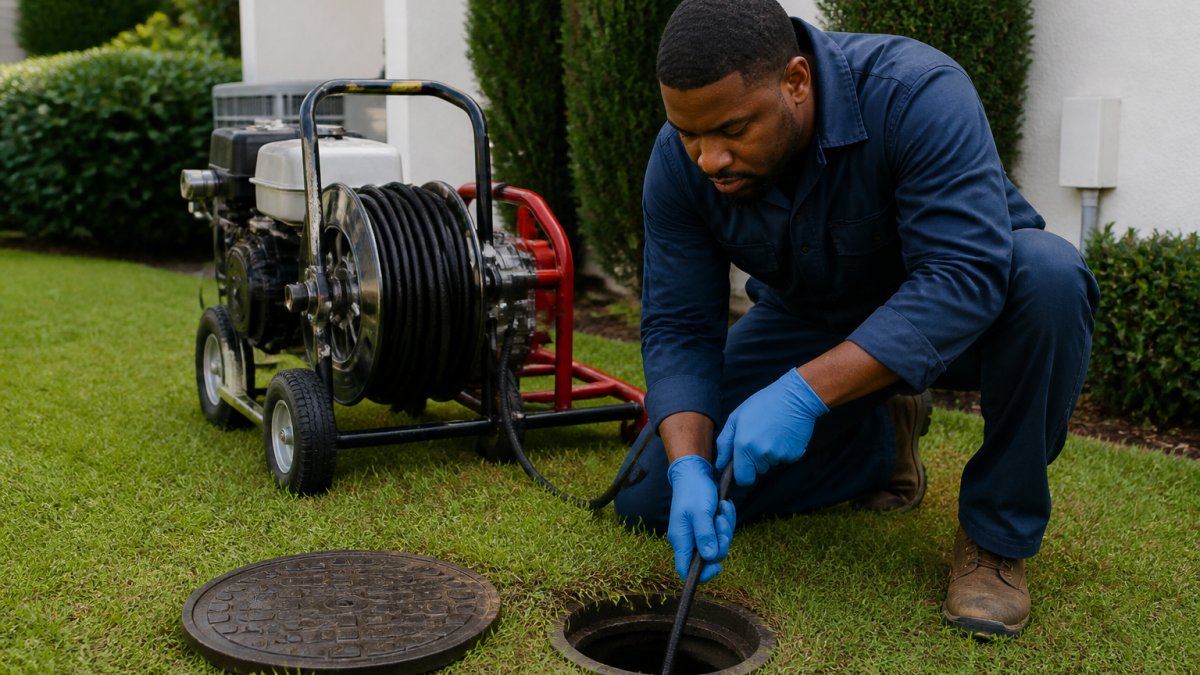
A sewer camera inspection is a diagnostic service where a plumber feeds a waterproof camera through your sewer line to record the condition of the pipe from the inside.
At Authentic Plumbing Services, we run these inspections because guessing is expensive. A standard home inspection looks at what's visible. It does not look inside the main sewer line (Using Sewer Scoping to Grow Your Revenue).
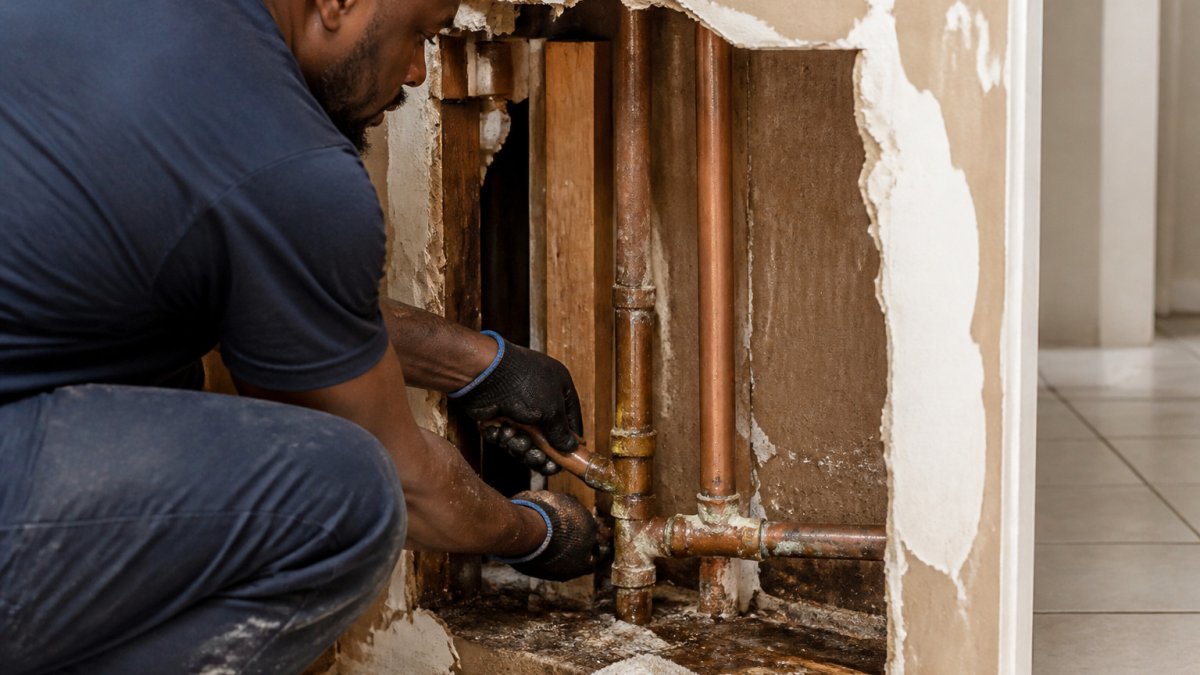
The Problems Hidden Underground
Common problems that camera inspections reveal are:
- Cracked or collapsed pipe sections
- Tree roots pushing through joints
- Heavy corrosion in old cast-iron lines
- Grease and scale buildup causing slow drainage
- Offset joints where pipes have shifted
Many of these problems cause no obvious symptoms at first. Waiting until a line backs up can mean a far larger repair bill than an inspection would have cost.
What Does a Sewer Scope Inspection Consist Of?
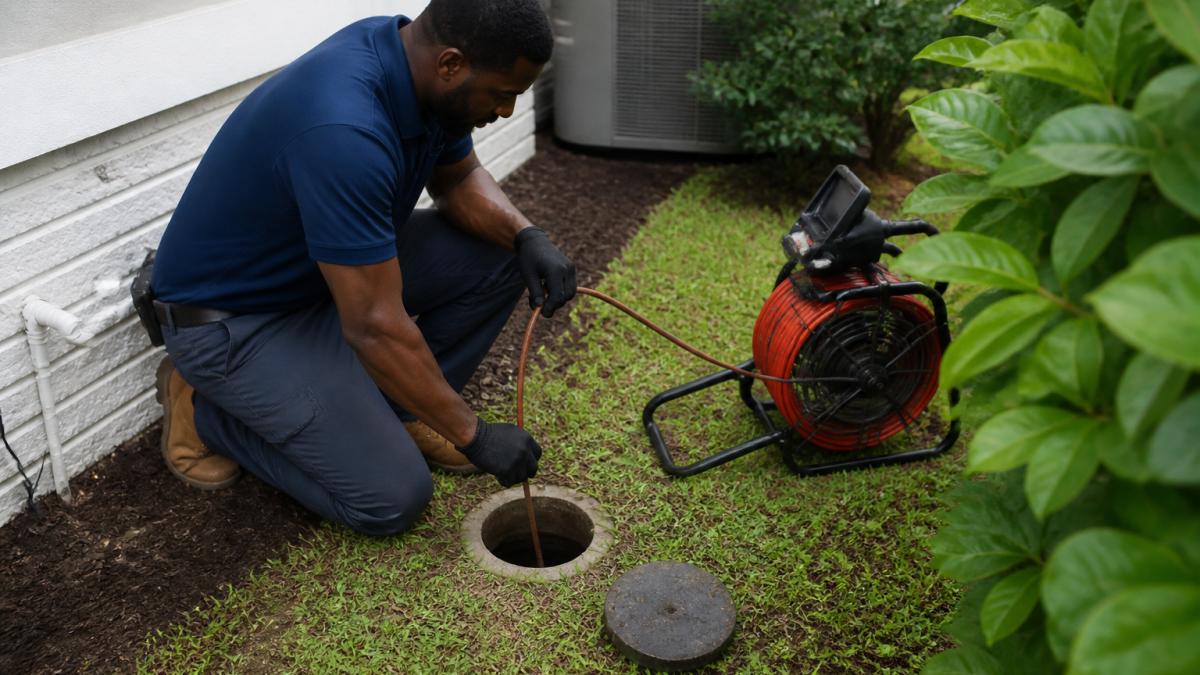
A sewer camera inspection lets a plumber see inside the drain or sewer line before any digging or cutting. Confirm the scope of the inspection with Authentic Plumbing Services.
Here is how we run it:
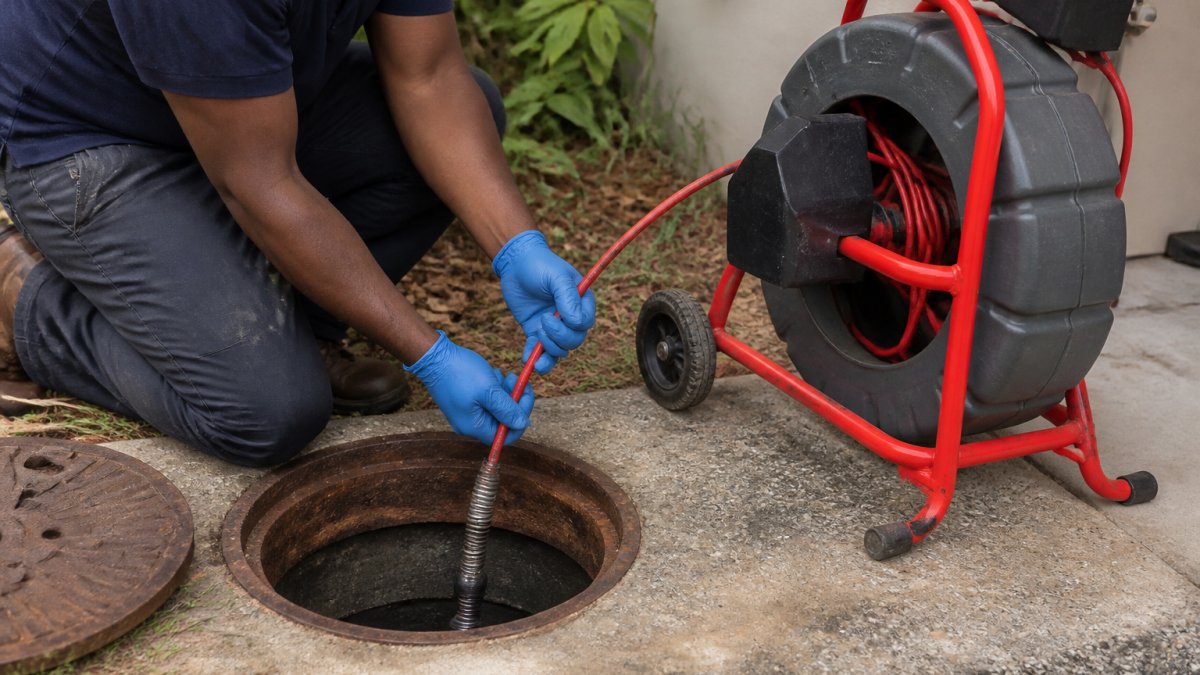
- Find the cleanout access point, usually near the foundation or in the yard
- Feed the camera reel into the line and move it toward the city connection
- Record footage of the full run, noting depth and distance markers
- Mark any defects on the report with their location
- Walk you through the footage so you can see what we see
How to Read the Camera Footage and Report
You do not need to be a plumber to follow the footage. Watch for these signals:
- Dark gaps or cracks in the pipe wall
- Roots entering through joints
- Standing water where it should drain
- Rough, pitted surfaces that suggest corrosion
- Bellies where the pipe has sagged and holds water
How Long Does a Sewer Camera Inspection Take?
If the camera cannot pass a blockage, we stop and explain your options before doing anything else.
Sewer Camera Inspection Cost and What Drives the Price
Sewer camera inspection cost depends on several factors, not a single flat rate. For current pricing and a quote for your property, contact Authentic Plumbing Services directly.
What moves the price up or down:
- Line length and access: a long run to the city connection, or a cleanout that is buried or hard to reach, adds time and labor. A cleanout right at the foundation is the cheapest scenario.
- Property type: condos, multi-unit buildings, and commercial properties often require coordination with management or access through common areas, which adds cost.
- Condition of the line: heavy roots, grease, or a partial blockage may require clearing before the camera can pass, and that clearing is billed separately.
- Report detail: a video file plus a written report with distance-marked findings is worth paying for. A verbal 'looks fine' is not.
- Add-ons: locating the line, marking the depth of a defect, or running a second camera from the roof vent can each add to the bill.
Ask for a quote before work begins and confirm what it includes.
The Cost-Versus-Risk Math
The inspection fee only looks expensive until you compare it to the alternatives. A representative set of outcomes:
The value calculation is not 'is the fee worth it', it is 'what is the probability the line has a defect that changes my decision, multiplied by the cost of finding it late.' For an older home with mature trees, cast-iron or clay pipe, or a history of backups, that probability is high enough that skipping the scope is the expensive choice.
Pipe material and age matter to the math. Cast-iron lines from the mid-20th century corrode from the inside out; clay tile lines crack and invite roots at the joints; orangeburg pipe from the 1940s to 1970s can deform and collapse. If the home has any of these, the inspection is less of a gamble and more of a known-return check.
Sewer Line Inspection Before Buying a House: The Case for Due Diligence
A sewer line inspection before buying a house is one of the highest-value checks a homebuyer can order. It is buyer due diligence at its most practical.
Here is what skipping it can cost you:
- A collapsed main line that needs full replacement
- Root intrusion that keeps coming back
- Corroded cast-iron pipes nearing failure
- Drainage problems that only show up after you move in
Any of these turns into unexpected repairs and real financial risk. An inspection fee is small compared to that. For a property purchase, the inspection report gives you use: you can negotiate, walk away, or budget for the fix.
When a Sewer Camera Inspection Is Not Worth It
A sewer camera inspection is not worth it in a few specific cases, and it is also less reliable than buyers assume in others. Knowing both helps you spend the fee wisely.
Skip it when:
- The line is genuinely new, installed or fully replaced within the last few years, and still under a workmanship or manufacturer warranty. The camera has little to find.
- You had the line scoped recently and nothing has changed: no new backups, no new slow drains, no excavation or landscaping work over the line.
- The line is completely blocked. The camera cannot see past a solid blockage, so the inspection would be wasted until the line is cleared. Clear first, then scope.
- You are not the decision-maker. A renter generally should not pay for a scope the owner will not act on.
Set realistic expectations, the camera has limits:
- Standing water in a belly or low spot hides the pipe wall beneath it.
- Inaccessible cleanouts, buried, capped, or missing, may force the camera in through a roof vent or a pulled toilet, which changes what can be seen.
- Offsets and collapsed sections can stop the camera before it reaches the city connection, leaving the downstream run uninspected.
- A camera sees the inside of the pipe, not the soil around it. (Inspection Technology for Outfalls, Siphons, and Force Mains) It will not tell you whether the ground has shifted or whether a line is undersized for the home's fixtures.
- Small cracks and early corrosion can be missed or judged as routine when they are on the way to becoming urgent.
A good inspector tells you what the camera could not see, not just what it did.
A Property-Specific Decision Checklist
Rather than a one-size-fits-all rule, run your property through these questions. Two or more 'yes' answers make the inspection a strong buy:
- Is the home more than 25 years old, or is the pipe material cast iron, clay tile, or orangeburg?
- Are there mature trees within roughly 10 to 15 feet of the sewer line's path?
- Has the property had a prior backup, slow drain, or sewer odor that was never fully explained?
- Is the home on a slab, where a failed line means breaking concrete?
- Are you in a purchase negotiation where the seller's disclosure is silent on the sewer line?
- Has the line never been scoped, or is the last inspection more than a few years old?
If you are buying, the timing question is simple: scope during the inspection contingency period, before you are committed. If you already own the home, scope before a planned remodel, before adding a high-flow fixture like a second bathroom, or at the first sign of a recurring drain problem.
Run your property through these questions, two or more 'yes' answers make the inspection a strong buy.
| Question | Strong-buy signal |
|---|---|
| Home age or pipe material | Over 25 years old, or cast iron, clay tile, orangeburg |
| Trees near the line | Mature trees within roughly 10 to 15 feet |
| Prior symptoms | Unexplained backup, slow drain, or sewer odor |
| Foundation type | Home on a slab |
| Purchase negotiation | Seller's disclosure silent on the sewer line |
| Inspection history | Never scoped, or last inspection more than a few years old |
What Happens After the Inspection Finds a Problem
What happens next depends on what the camera found. Minor scale or grease calls for hydro jetting to scour the line clean. Roots or a damaged section may call for sewer line repair without digging, which avoids tearing up your yard. A failing line may need drain cleaning and repair or a larger fix.
We explain the findings first, then the options, then the cost. You decide. No digging starts until you understand why.
Book a Sewer Camera Inspection With Authentic Plumbing Services
The real question is not whether an inspection costs money. It is whether you want to find the problem now or find it at 2 AM with water backing into your home.
We are open 24 hours, 7 days a week, and we use camera inspection to find the real cause before anyone digs. You get a clear explanation of what we found and a straight answer on what it takes to fix it.
Ready to look inside your line? Book a sewer camera inspection or contact our team for a quote. Get started with Authentic Plumbing Services and know exactly what is happening under your property.
Frequently Asked Questions
Is a sewer camera inspection worth the cost?
For most homeowners, yes. A sewer camera inspection turns guesswork into a documented answer about pipe condition. It is most valuable before buying a property, when chronic drain backups keep returning, or when a home has older cast iron or clay pipes. If your line was replaced recently and drains run clear, the inspection is less urgent.
Can a sewer camera inspection find every sewer line problem?
No. A camera shows the inside of the pipe it can reach, so it identifies cracks, root intrusion, corrosion, bellies, and blockages well. It cannot see through soil to detect a leak outside the pipe, and it cannot assess pipe walls hidden behind heavy grease or debris until the line is cleaned. Conditions like standing water or a collapsed section can also stop the camera short. Treat the report as strong evidence, not a guarantee.
Should I get a sewer line inspection before buying a house?
It is one of the smartest pre-purchase steps you can take. A standard home inspection rarely covers the underground sewer line, so a failed line can surface weeks after closing with no recourse. A sewer line inspection before buying a house gives you camera footage and a written report you can use to negotiate repairs or credits, or to walk away. Schedule it during the inspection contingency period so findings still carry weight.
What happens after a sewer camera inspection finds a problem?
You get a report showing the defect and its location, plus a repair estimate. Minor issues like a small root intrusion may only need hydro jetting and a follow-up camera check. Cracked or collapsed sections typically require spot repair or replacement of the affected run. Ask for the footage and the distance-to-defect reading so any contractor can verify the finding, and get the repair scope in writing before work begins.